

Non-Surgical Spinal Treatment
Spinal
Decompression
Shift Spinal Health · Adelaide
For patients with disc injuries who've tried other approaches — or who've been told surgery is the next step. Mechanical decompression works on the source of your pain, not just the symptoms.
What Is It
Decompression works on the disc itself — not just the pain around it.
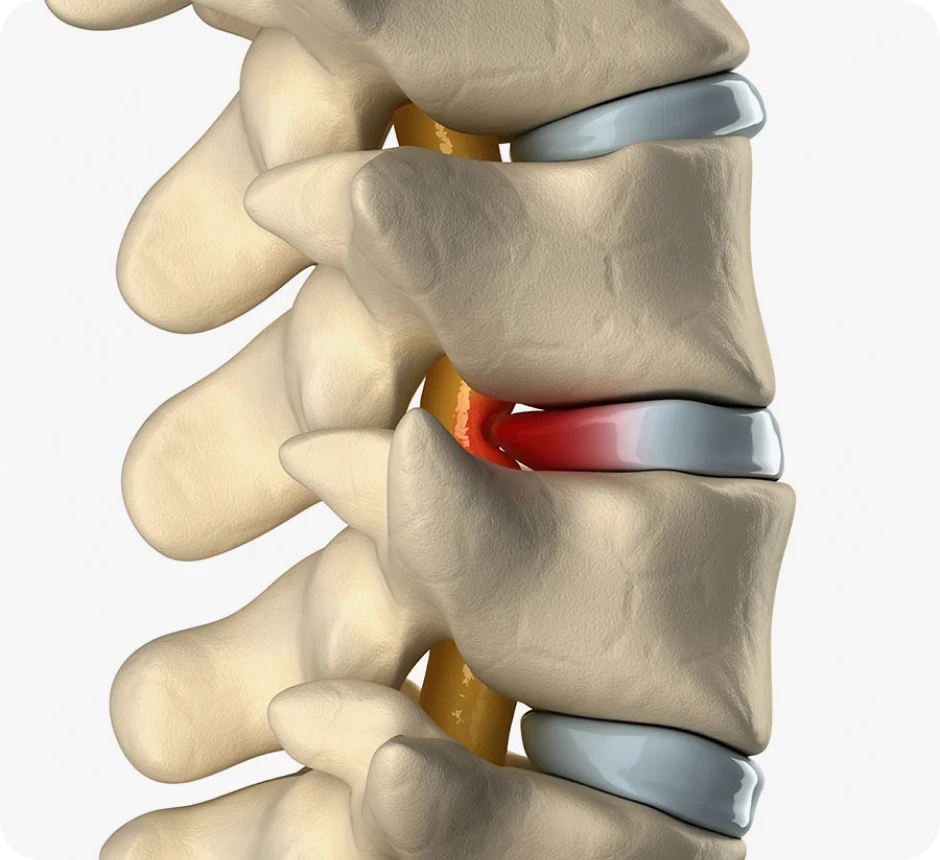
Spinal decompression is a non-surgical therapy that gently distracts the spine under precise mechanical tension. This aims to create a negative pressure environment inside the affected disc, helping draw in oxygen, nutrients, and fluid to support the disc's healing environment.
Unlike traction, which applies a generalised pull, the MT Core Smart Decompression targets specific spinal levels with controlled, computer-guided force — a directed therapeutic effect at the disc level involved in your symptoms.
The Technology
The MT Core Smart Decompression — the first system of its kind in SA.
Many decompression tables apply a fixed or manually adjusted pull. The MT Core Smart Decompression uses computer-controlled tension cycles that adjust in real time — allowing the paraspinal muscles to relax before each decompressive phase. That's what makes it clinically distinctive.
Shift was the first clinic in South Australia to bring this technology here. If you've had decompression elsewhere and didn't get the result you hoped for, it's worth a conversation about whether the MT Core's approach suits your presentation.
Computer-Guided Tension
The MT Core Smart Decompression cycles through precise decompression phases that respond to muscle resistance in real time — targeting the affected disc with a level of accuracy that manual traction cannot replicate.
Conditions Treated
Disc herniation · Disc bulge · Degenerative disc disease · Sciatica · Spinal stenosis · Cervical disc injuries
The Process
What happens during a session.
Each decompression session follows a structured protocol designed to progressively reduce disc pressure and support the healing environment across your program.
Assessment & Setup
Your clinician reviews your current presentation and positions you on the MT Core Smart Decompression bed. Treatment parameters are set based on your disc level, injury type, and session number.
Decompression Phase
The MT Core Smart Decompression applies a series of controlled tension cycles — each followed by a relaxation period. Sessions typically run 20–25 minutes. Most patients describe the sensation as a mild, comfortable stretch.
Rehabilitation
Following decompression, you complete a prescribed exercise sequence from The Shift Score framework — designed to build spinal stability and the muscular support around the affected disc.
Progress Reviews
Every 4 weeks, your progress is formally reviewed against your baseline using the Shift Score markers, and your program is adjusted to match where you actually are in your recovery.
Who It Helps
Conditions we treat with decompression.
Spinal decompression is most commonly used for disc-related conditions involving nerve compression, referred pain, or reduced spinal function.
Lumbar Disc Herniation
Disc material pressing on lumbar nerve roots — causing lower back pain, sciatica, and leg symptoms.
Disc Bulge
Disc wall weakening that creates pressure on adjacent nerves, often causing chronic lower back or neck pain.
Sciatica
Nerve pain radiating from the lower back into the buttock, leg, or foot — often related to disc compression at L4/L5 or L5/S1.
Degenerative Disc Disease
Age or injury-related disc thinning that causes stiffness, pain, and reduced spinal function over time.
Cervical Disc Injuries
Neck disc injuries causing pain, numbness, or weakness radiating into the shoulders, arms, or hands.
Spinal Stenosis
Narrowing of the spinal canal that compresses nerves — causing pain, heaviness, or weakness with prolonged standing or walking.
Before You Decide on Surgery
Some patients are told surgery is their only option. It isn't always.
Spinal surgery carries real risks and recovery timelines, and for many disc injuries, current guidelines support trying conservative options first. Whether decompression is appropriate depends on your specific case.
- Some disc herniations and bulges improve with conservative care, including mechanical decompression
- Decompression aims to address the structural contributor — not just manage pain
- Recovery programs combine decompression with progressive rehabilitation
- Decompression can also be used to support recovery after spinal surgery, where appropriate
If you have an MRI showing a disc injury and you've been told surgery is the next step, it's worth getting a second clinical opinion first. We'll give you an honest assessment of whether decompression is appropriate for your case — and tell you if it isn't.

Your Recovery Program
Decompression is the engine. Your program is the vehicle.
Every patient at Shift enters a structured recovery program — not a rolling series of appointments with no clear endpoint. Your clinician recommends the level that matches your condition and goals.
Questions
Frequently asked.
Standard traction applies a generalised pull without real-time adjustment. The MT Core Smart Decompression uses computer-controlled tension cycles that respond to muscle resistance, targeting specific disc levels with an accuracy that manual therapy cannot replicate. It's a different mechanism of action, and it's used alongside rehabilitation rather than in place of it.
Most patients describe the sensation as a gentle stretch. Some patients with acute disc injuries notice temporary changes in symptoms in the first few sessions, which commonly settle as treatment progresses. Your clinician monitors your response throughout and adjusts as needed.
An MRI isn't required to begin, but it's recommended for patients with disc injuries. Imaging helps confirm the diagnosis, identify the disc level involved, and check that decompression is appropriate for your case. If you don't have one, we can guide you on how to obtain one.
Programs are structured around 12-week blocks with formal progress reviews every 4 weeks. The number of sessions per week varies by program. Disc recovery is rarely linear and varies from person to person, so your clinician guides the plan based on your reviews rather than a fixed promise about timing.
Often, yes — decompression is used as part of post-surgical recovery for some patients, particularly after a discectomy or laminectomy where residual symptoms remain. Your initial consultation will assess your surgical history and determine whether and how decompression can be safely applied.
Get Started
Find out if decompression is right for you.
Book an initial consultation and get a clear clinical picture of your disc injury, what's driving your symptoms, and what a structured recovery could look like for your case.